24/7 Emergency Water Damage Restoration in Geelong: What to Do First
When water enters your home or business, every minute counts. A burst pipe, overflowing appliance, stormwater leak, roof leak, sewer overflow or unexpected indoor flooding can quickly damage carpets, timber floors, plaster, sub-floors, skirting boards, furniture and electrical areas. What may appear to be a simple wet patch on the surface can often hide deeper moisture within floors, walls and structural materials.
At Flood Restoration Geelong, we provide fast, reliable and professional 24/7 emergency water damage restoration in Geelong for residential and commercial properties. Our experienced team responds quickly to help reduce further damage, remove excess water, dry affected areas, manage moisture safely and restore your property with care.
With over 20 years of hands-on experience and IICRC-certified technicians, we understand how stressful water damage can be. Whether you are dealing with a flooded room, wet carpet, damaged timber flooring, moisture under hard floors, a wet sub-floor, or a mould risk after water exposure, our team is ready to help across Geelong and the surrounding areas.
For urgent help, call 0459 338 998, submit our contact form or email info@floodrestorationgeelong.com.au.
Understanding the Urgency: Why Minutes Matter
When water sits where it shouldn’t, the clock starts ticking immediately. It’s a misconception that porous materials simply “air dry” back to their original state. In the Australian climate, high humidity often prevents this, creating a perfect breeding ground for bacteria and fungi.
The Lifecycle of a Water Damage Disaster
To understand the urgency, you need to visualise the timeline of damage:
- Minutes 1-60: Water spreads rapidly, saturating carpets, underlay, and skirting boards. Furniture legs begin wicking moisture upward.
- Hours 1-24: Plasterboard swells and starts to crumble. Metal surfaces begin to tarnish. The distinct musty odour of damp appears.
- Days 1-7: Mould spores germinate. Wooden structural beams warp and cup. Sub-flooring begins to delaminate, threatening the vitality of dry sub-floor structures.
- Weeks 2+: Restoration costs skyrocket. At this stage, restoration often turns into renovation. Mould remediation becomes a major health hazard, not just a cosmetic fix.
If you are searching for Flood Services Geelong, doing so immediately after the incident is the most cost-effective decision you can make.
What Should You Do Immediately After Water Damage?
The actions taken during the early stages of a water emergency can influence the extent of the damage. However, protecting people must always come before protecting the building or its contents.
1. Keep Everyone Away from Immediate Hazards
Keep children, pets, employees, tenants and visitors away from the affected area. Do not enter a room if:
- Water has reached electrical outlets, appliances or switchboards.
- The ceiling is sagging or holding water.
- There are signs of structural movement.
- Sewage or outdoor floodwater has entered the building.
- You can smell gas or burning electrical components.
- Access requires you to walk through standing water.
Never touch electrical equipment while standing on a wet surface. Do not attempt to reach the switchboard if doing so requires entering water.
The Victoria State Emergency Service flood guidance advises people to stay away from floodwater, drains, culverts, fallen powerlines and damaged buildings. Follow the directions of emergency services during an active flood or storm.
2. Stop the Source of Water When It Is Safe
If the water is coming from a burst supply pipe, failed tap connection or leaking appliance, turn off the property’s main water supply—but only if you can reach it safely.
Do not try to repair live plumbing, climb onto a storm-damaged roof or enter a dangerous area. A licensed plumber, electrician, roofer or emergency service may be required to make the site safe before restoration begins.
If a broken or leaking pipe is responsible, our burst pipe water damage team can begin the extraction and drying process after the source has been isolated.
3. Call a Professional Water Restoration Team
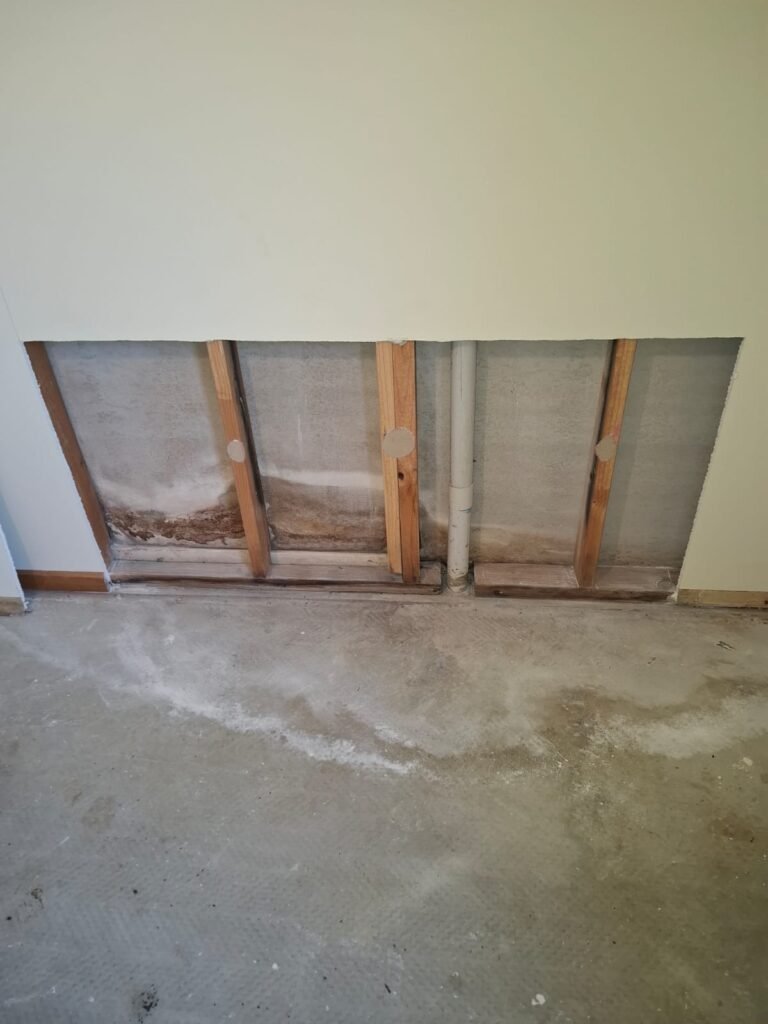
Surface water is often only part of the problem. Moisture can move underneath carpet, into underlay, behind skirting boards, through wall cavities and into timber, concrete, insulation and subfloor materials.
Contact the 24/7 emergency water restoration team in Geelong on 0459 338 998. When calling, explain:
- Where the water appears to be coming from.
- When the problem was discovered.
- Which rooms or building areas are affected.
- Whether electricity, gas or plumbing may be involved.
- Whether the water may contain sewage or outdoor floodwater.
- Whether anyone at the property needs additional assistance.
- Whether access roads or entrances are affected by flooding.
These details help the team understand the immediate situation and prepare the appropriate response.
4. Photograph the Damage When Safe
Before moving or disposing of damaged items, take photographs and short videos if it is safe to do so. Record:
- The apparent source of the water.
- Standing water and affected rooms.
- Damage to carpet, flooring, walls and ceilings.
- Wet furniture, stock, equipment and personal belongings.
- Model and serial numbers of damaged appliances.
- Any visible tide marks, staining or structural changes.
Contact your insurer as soon as practical and ask what evidence or authorisation is required. Avoid making guarantees about insurance coverage because inclusions, exclusions and excesses vary between policies.
5. Protect Important Items Without Entering Danger
If the affected area has been declared safe, move dry and unaffected documents, electronics and portable valuables away from the water. Do not move wet or contaminated items through clean areas without professional guidance.
Avoid lifting saturated carpet, plasterboard or heavy furniture by yourself. Waterlogged materials can be considerably heavier than expected and may create an injury or contamination risk.
What You Should Not Do After Indoor Flooding
Some well-intentioned actions can increase the danger or spread contamination.
Do not:
- Use a domestic vacuum cleaner to extract water.
- Operate electrical appliances in or near the affected area.
- Enter rooms with sagging ceilings.
- Walk through sewage or outdoor floodwater.
- Switch electrical circuits back on before professional assessment.
- Apply household chemicals to contaminated materials without guidance.
- Use heaters or uncontrolled heat to dry timber floors or building materials.
- Assume walls and floors are dry simply because the surface feels dry.
- Dispose of insured items before taking photographs and speaking with the insurer.
Fans and open windows may be suitable in limited clean-water situations, but they can also spread airborne contaminants when mould, sewage or polluted floodwater is involved. The drying method should be selected according to the conditions found at the property.
Why Professional Water Extraction and Drying Matter
Water naturally moves into porous materials and concealed spaces. A carpet may appear dry at the surface while moisture remains in the underlay or subfloor. Similarly, painted plasterboard can conceal moisture inside a wall cavity.
Professional restoration focuses on both visible water and moisture that cannot be identified through a visual inspection alone.
Depending on the property and water source, the process may include:
- Inspecting the affected and adjoining areas.
- Identifying the water source and potential contamination.
- Mapping visible and concealed moisture.
- Extracting standing water.
- Assessing carpet, underlay and flooring.
- Removing materials that cannot be safely restored.
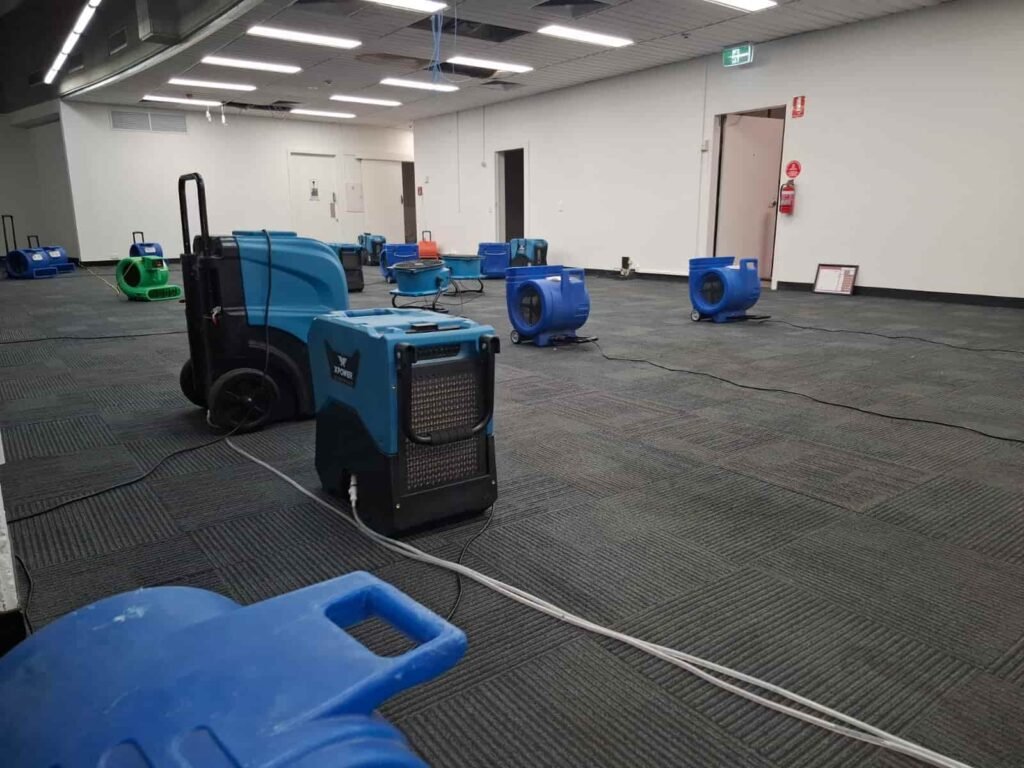
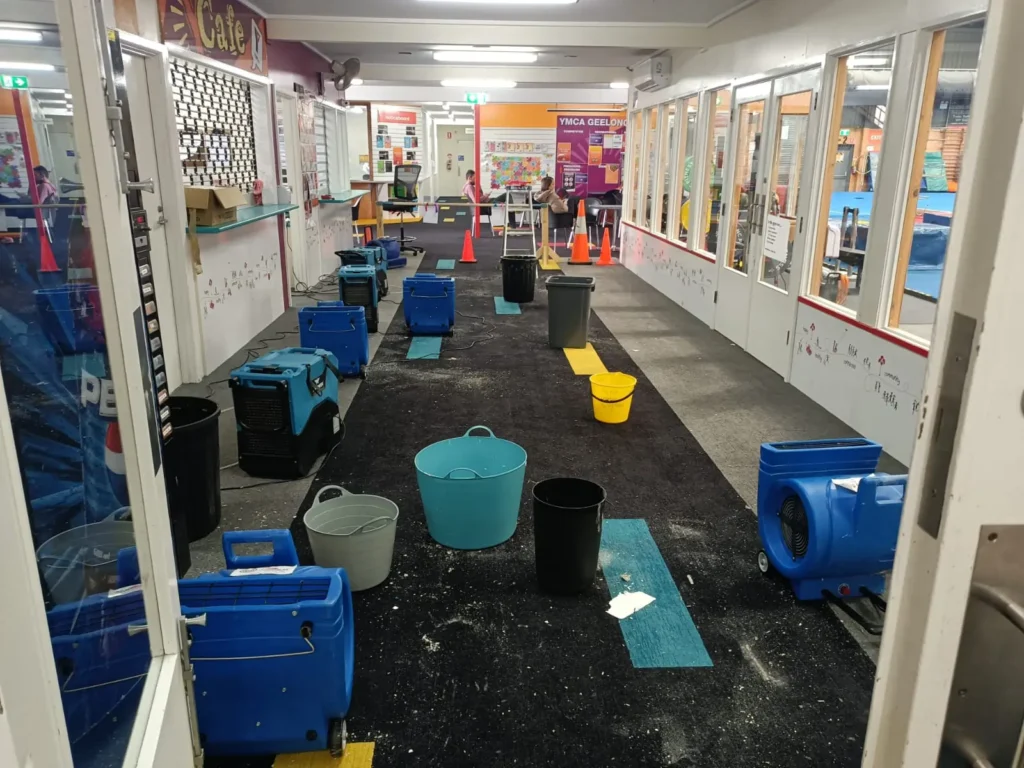
- Positioning air-moving and dehumidification equipment.
- Monitoring temperature, relative humidity and material moisture.
- Cleaning, sanitising and deodorising affected areas when required.
- Recording progress for the property owner or insurer.
The ANSI/IICRC S500 Standard for Professional Water Damage Restoration describes recognised procedures and precautions for water damage restoration in residential, commercial and institutional buildings.
Our Emergency Water Damage Restoration Process
Every property requires an individual assessment. The source, duration, contamination level, materials affected and building construction can all influence the restoration plan.
Emergency Inspection and Moisture Assessment
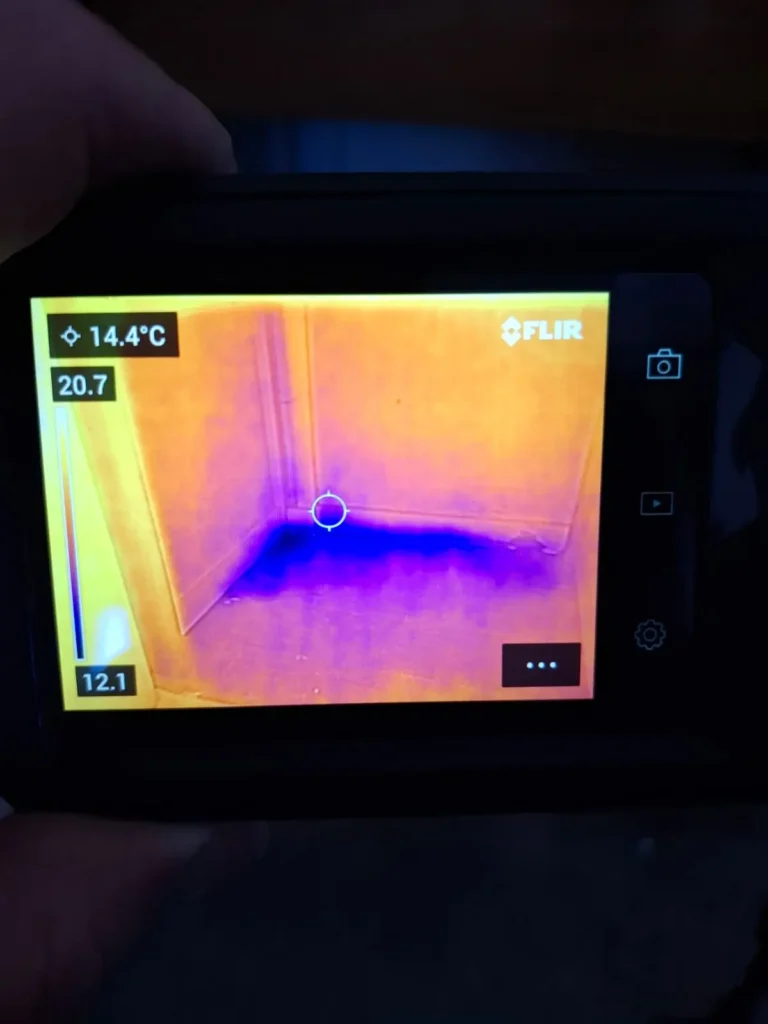
Our technicians inspect the visible damage and assess adjoining areas where water may have travelled. Moisture meters and thermal imaging may be used to help locate moisture beneath floors, behind walls or in other concealed areas.
The findings allow the technician to explain the initial scope of work and determine which materials may be suitable for restoration.
Water Extraction
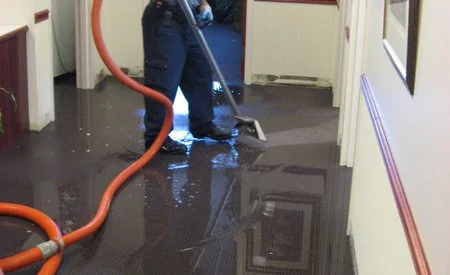
Standing water and excessive moisture are removed with professional extraction equipment. Prompt carpet water extraction in Geelong may improve the opportunity to restore carpet and other materials, depending on the water source and their condition.
Carpet, underlay and flooring are assessed separately. Contaminated or physically damaged materials may need to be removed rather than dried in place.
Structural Drying and Dehumidification
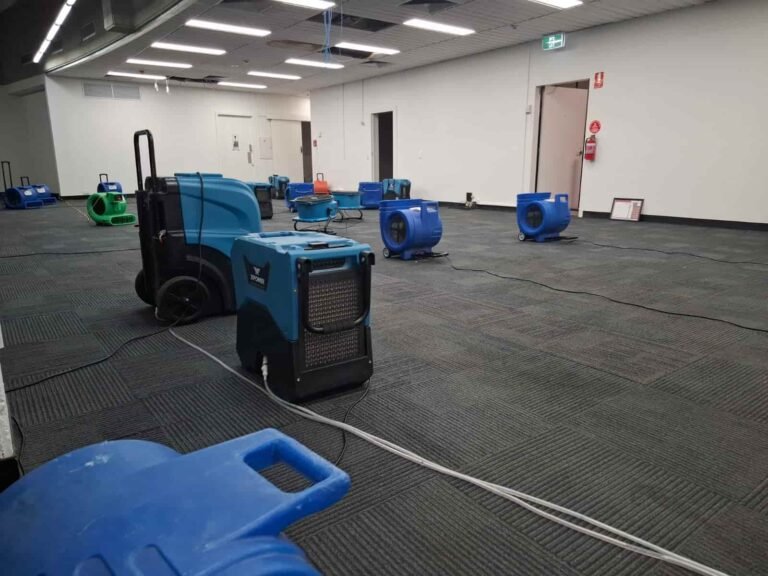
After bulk water is removed, controlled drying addresses moisture held inside building materials. Air movers and dehumidifiers may be positioned to create an appropriate drying environment.
Our structural drying service in Geelong can address moisture affecting plasterboard, timber, concrete, wall cavities, subfloors and other structural materials.
Drying progress should be verified with readings. Equipment should not be removed simply because surfaces appear dry.
Cleaning, Sanitisation and Odour Management
The cleaning method depends on the water source and affected materials. When contamination is present, additional containment, personal protective equipment, material removal and sanitisation procedures may be required.
Odour treatment should address the source of the smell rather than temporarily masking it.
Monitoring and Completion
Technicians monitor moisture levels and drying conditions during the project. Equipment placement may be adjusted as materials release moisture.
The restoration stage is completed when the agreed drying objectives have been reached and the affected areas have received the required cleaning or treatment. Any necessary repairs or reinstatement can then be planned.
Is Floodwater or Sewage Contaminated?
Water from a burst drinking-water supply line presents different conditions from sewage, drain water or overland flooding. The actual category and restoration procedure must be based on what is found at the property.
Avoid direct contact when water may contain sewage, chemicals, soil, animal waste or other contaminants. Keep people and pets away and wait for professional advice.
Weather-related water should not be classified through assumptions alone. An on-site assessment considers the source, environment, time, temperature and materials affected.
Can Wet Carpet and Flooring Be Saved?
Whether carpet or flooring can be restored depends on:
- The source and condition of the water.
- How long the material has remained wet.
- Whether the material is contaminated.
- The condition of the carpet, underlay and subfloor.
- Whether adhesives, backing or timber have deteriorated.
- How far the moisture has travelled.
- Whether professional drying begins promptly.
Clean-water incidents may provide more restoration options than sewage or heavily contaminated flooding. Each layer must be assessed; drying only the carpet surface may leave moisture underneath.
Our team provides professional carpet drying in Geelong and specialised drying for subfloors, timber and hard flooring.
What About Mould After Water Damage?
Mould grows most readily in damp, poorly ventilated conditions. Removing the moisture source and thoroughly drying affected materials are important parts of managing the risk.
The Victorian Department of Health recommends seeking expert advice before cleaning or disposing of water- or mould-damaged items following a flood. You can read its official guidance about mould and health after flooding.
If mould is visible, there is a persistent musty odour or the property has remained damp, arrange an appropriate assessment. Flood Restoration Geelong also provides professional mould remediation in Geelong.
Preparing an Insurance Claim
Insurance policies differ, so the insurer must confirm whether a particular incident is covered. When reporting the event, provide accurate information about what happened and when it was discovered.
Helpful documentation can include:
- Photographs and videos.
- The date and approximate time of discovery.
- Details of the suspected water source.
- A list of affected rooms and contents.
- Plumbing, electrical or emergency service reports.
- Moisture readings and restoration documentation.
- Quotes, invoices and records of emergency work.
- Communication with the insurer or loss adjuster.
Do not describe gradual damage as sudden or make assumptions about the cause. Accurate documentation helps the insurer assess the claim according to the policy.
Local Flood and Emergency Information for Geelong
During widespread storms or flooding, monitor official information before travelling.
Useful resources include:
Why Emergency Water Damage Restoration in Geelong Should Not Wait
Water damage is not something to leave until tomorrow. The longer water remains inside a building, the more damage it can cause. Moisture can move quickly through carpet, underlay, timber flooring, concrete, plasterboard, insulation, cabinetry and sub-floor spaces. Even when the visible water has been removed, hidden moisture can remain trapped underneath surfaces.
This is why professional emergency water damage restoration Geelong services are so important. A fast response helps protect your property from secondary damage such as swelling timber, warped hard floors, mould growth, musty odours, staining, structural moisture and long-term indoor air quality concerns.
Many property owners try to dry water damage with towels, household fans or open windows. While this may help with surface moisture, it does not properly assess or dry hidden areas. Professional drying requires moisture testing, water extraction, air movement, dehumidification and controlled drying tailored to the type of flooring, building material and level of water impact.
At Flood Restoration Geelong, we focus on fast action and proper drying from the start. Our aim is to reduce damage, save materials where possible and help your property return to a safe, dry condition.
When Should You Call a Professional Water Damage Restoration Team?
You should call a professional as soon as you notice water damage that is more than a small, easily controlled spill. Water can spread behind walls, under flooring and into sub-floor spaces much faster than many people realise.
Call Flood Restoration Geelong if you experience:
- Burst pipe water damage
- Flooded carpets or soaked underlay
- Water leaking through ceilings or walls
- Overflowing washing machine or dishwasher
- Stormwater entering the property
- Wet timber, laminate, vinyl or tiled flooring
- Moisture under hard floors
- Musty smells after a leak
- Visible mould after water exposure
- Damp skirting boards, walls or cupboards
- Water damage in a rental, shop, office or commercial space
- Sewage, contaminated water or dirty floodwater
- Repeated moisture problems in the same area
If you are unsure whether the damage is serious, it is safer to get professional advice early. A quick inspection can help identify whether the area is only wet on the surface or whether moisture has moved deeper into the building.
What Makes Water Damage an Emergency?
Water damage becomes an emergency when moisture affects safety, structure, flooring, hygiene or business operations. This can occur in both residential and commercial properties.
A small leak can become serious if it continues overnight. A wet carpet may develop mould if it is not properly extracted and dried. Timber floors can cup, swell or buckle if moisture is trapped underneath. A damp sub-floor can cause long-term odours and unhealthy indoor conditions.
Common water damage emergencies include:
Burst Pipes
Burst pipes can suddenly release a significant amount of water, which might spread quickly across floors, seep into wall cavities, slip under cabinetry, and flow through ceiling spaces. Acting quickly to extract and dry the water can really help minimize damage to your flooring, plaster, and structural elements.
Flooded Carpets
Carpet and underlay absorb water quickly. If wet, they can trap moisture against the sub-floor, causing odours or mould. Professional equipment removes more water than household methods.
Wet Timber and Hard Floors
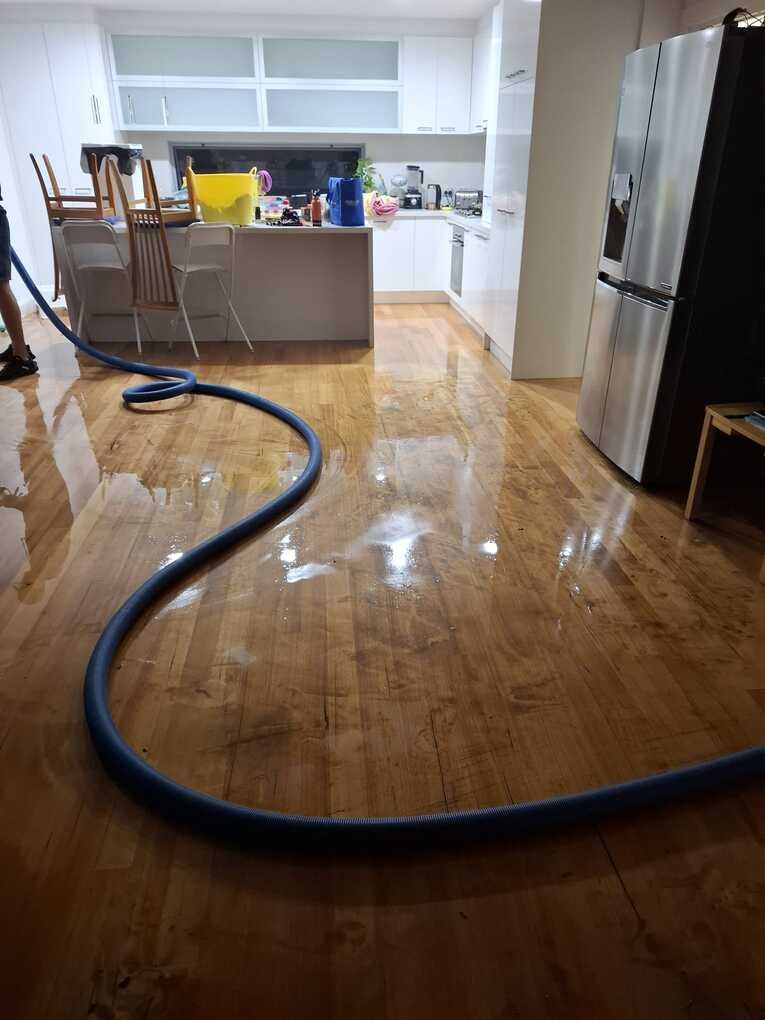
Timber, hybrid, laminate, vinyl and other hard floors can trap moisture beneath the surface. Even if the top appears dry, water may remain underneath. Our Hard Floor Drying Geelong service helps assess and dry affected hard flooring using appropriate drying methods.
Sub-Floor Moisture
The vitality of dry sub-floor conditions should never be ignored. A wet sub-floor can affect the health of the building from underneath. Moisture below flooring can contribute to musty odours, mould growth and long-term structural problems.
Mould Risk After Water Damage
Mould can develop when moisture lingers in building materials. If you notice a musty smell, staining, visible mould, or ongoing dampness, a professional moisture inspection and drying should be arranged as soon as possible.
Commercial Water Damage
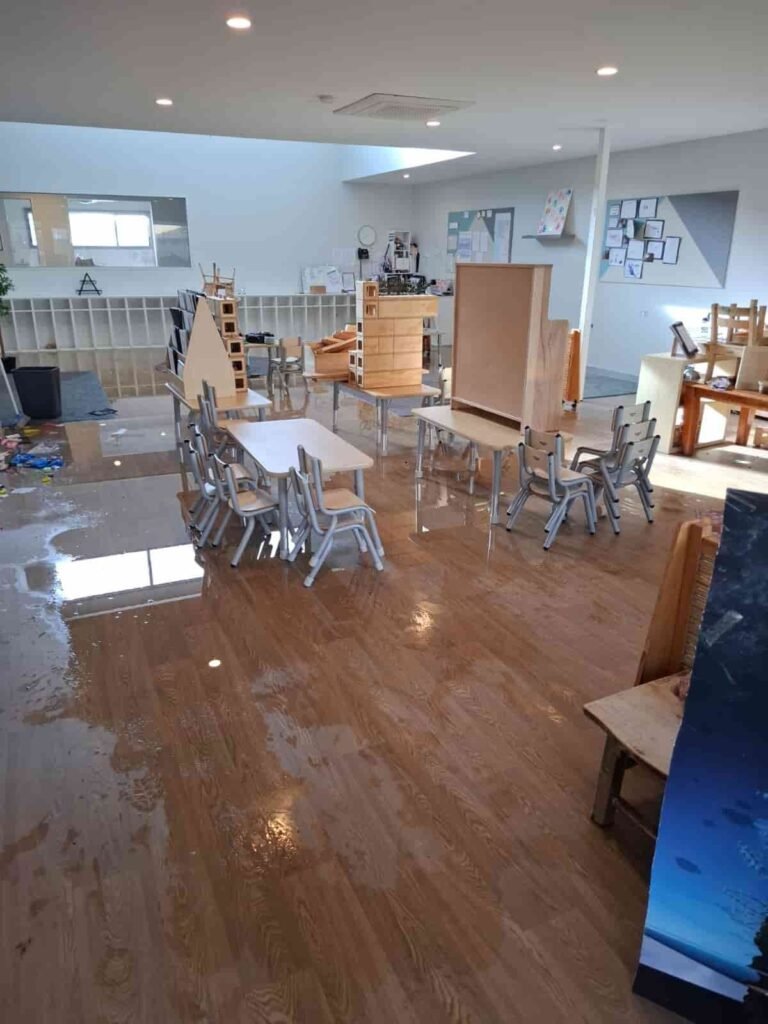
For businesses, water damage can interrupt operations, affect stock, damage equipment and create safety concerns for staff and customers. A fast emergency restoration response can help reduce downtime and protect the premises.
Our 24/7 Emergency Water Damage Restoration Process
At Flood Restoration Geelong, we use a practical and professional process to manage water damage from the first inspection through to drying and restoration support.
Emergency Response and Initial Advice
When you call us, we gather key details about the water damage, the affected area, the source of water and any immediate safety concerns. We guide you on what to do next and arrange a fast response where urgent help is needed.
If safe to do so, you may need to stop the water source, turn off affected appliances, avoid wet electrical areas and keep people away from contaminated water.
Site Inspection and Moisture Assessment
Once on site, we inspect the affected areas and identify visible and hidden moisture. This may include checking carpets, underlay, timber floors, hard floors, skirting boards, plaster, cabinetry and sub-floor areas.
Moisture assessment is important because water damage is not always visible. A floor may feel dry on top but still hold moisture underneath.
Water Extraction
Where standing water or saturated carpet is present, we begin water extraction. Removing excess water quickly is one of the most important parts of water damage mitigation and restoration.
The sooner water is extracted, the better the chance of reducing damage to flooring, underlay, sub-floor materials and surrounding building areas.
Carpet, Flooring and Material Assessment
Not all water-damaged materials can be treated the same way. Carpet, underlay, timber flooring, laminate, vinyl, tiles, concrete, plaster and cabinetry all respond differently to moisture.
We assess the affected materials and recommend a practical drying plan. Where possible, we aim to dry and restore. If materials are heavily contaminated or beyond saving, we can advise on the next steps.
Professional Drying Equipment Setup
Professional drying may involve air movers, dehumidifiers and specialised drying systems. The goal is to remove moisture from the affected materials and surrounding air in a controlled way.
This is especially important for wood and hard floor drying services in Geelong, because trapped moisture can damage flooring over time if it is not properly addressed.
Sub-Floor and Hard Floor Drying
Water can travel underneath floors and settle in hidden areas. Our Hard Floor Drying Geelong service is designed to help with moisture trapped under timber, hybrid, laminate, vinyl, tiled or other hard floor surfaces.
We also inspect sub-floor areas where required. The vitality of dry sub-floor conditions is critical because dampness underneath a property can continue to affect the building long after the visible water has been removed.
Monitoring and Moisture Checks
Drying should not be based on guesswork. We monitor moisture levels to check drying progress and adjust equipment where needed. This helps ensure affected areas are drying properly and reduces the risk of hidden moisture remaining behind.
Final Review and Restoration Guidance
Once drying is complete, we review the affected areas and provide practical guidance on the next steps. This may include cleaning, odour treatment, mould prevention, repair recommendations or further restoration support.
Why Hidden Moisture Is a Serious Problem
One of the biggest risks after water damage is hidden moisture. This is moisture that remains inside or underneath building materials after the surface appears dry.
Hidden moisture can remain in:
- Carpet underlay
- Timber floorboards
- Laminate and hybrid flooring
- Concrete slabs
- Sub-floor spaces
- Wall cavities
- Skirting boards
- Plasterboard
- Cupboards and cabinetry
- Insulation
- Ceiling areas
If hidden moisture is not detected and dried, it can lead to mould, odours, swelling, staining and structural deterioration. This is why professional moisture testing is so important.
For example, a homeowner may mop up water from a burst pipe and assume the floor is dry. However, water may have travelled under the flooring and into the sub-floor. Over the next few days or weeks, the floor may begin to cup, lift or smell musty. Early professional drying can help reduce this risk.
The Importance of Hard Floor Drying in Geelong Homes and Businesses
Hard flooring is common across Geelong homes, rental properties, shops, offices and commercial buildings. Timber, laminate, hybrid, vinyl and tiled floors are durable, but they can still be affected by water damage.
When water gets beneath hard floors, it can become trapped. This is a major concern because trapped moisture may not dry naturally, especially if there is limited airflow underneath the floor.
Our Hard Floor Drying Geelong service helps identify and manage moisture under hard floor surfaces. Depending on the situation, we may use targeted drying equipment and moisture monitoring to support the drying process.
Professional hard floor drying may help reduce the risk of:
- Warped timber flooring
- Cupping or crowning
- Swelling floorboards
- Lifting laminate or hybrid flooring
- Musty odours
- Sub-floor moisture
- Mould growth underneath flooring
- Long-term structural moisture issues
If your hard floor has been affected by water, do not wait for visible damage to appear. Call our team early so we can inspect the area and advise on the best drying approach.
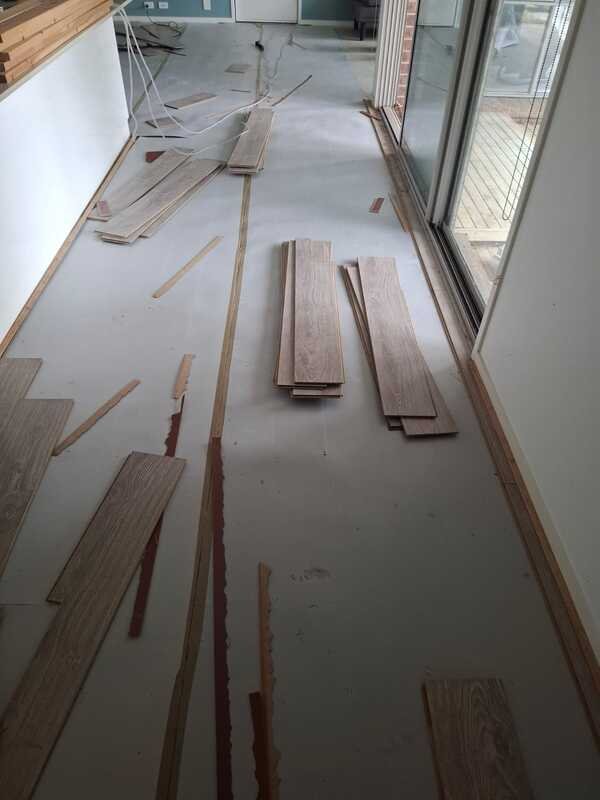
Wood and Hard Floor Drying Services in Geelong
Drying wood and hard floors requires experience, care and the right equipment. Timber and engineered flooring can be sensitive to moisture changes. Drying too slowly can allow damage to spread, while poor drying methods may create further issues.
At Flood Restoration Geelong, we provide wood and hard floor drying services in Geelong for homes and businesses affected by leaks, floods, burst pipes, appliance overflows and stormwater entry.
Our approach may include:
- Moisture testing of affected flooring
- Inspection of surrounding walls and skirting
- Assessment of sub-floor moisture
- Targeted drying strategies
- Air movement and dehumidification
- Drying progress monitoring
- Practical advice on restoration or repairs
We aim to help property owners make informed decisions. In some cases, early drying may help save flooring. In other cases, the damage may be too severe, and replacement may be required. Either way, a professional inspection gives you clarity.
Vitality of Dry Sub-Floor Conditions After Water Damage
A dry sub-floor is essential for a healthy and stable property. The sub-floor supports the flooring system and can influence indoor air quality, odour, mould risk and long-term building condition.
When water enters a property, it may seep through gaps, edges, expansion joints or damaged flooring. Once moisture reaches the sub-floor, it can remain hidden for a long time.
A damp sub-floor may cause:
- Musty smells inside the property
- Mould under floors
- Soft or weakened timber
- Floor movement
- Ongoing humidity
- Pest attraction
- Poor indoor air quality
- Long-term structural concerns
This is why we take sub-floor moisture seriously. Our team can inspect affected areas and recommend drying where required. The vitality of dry sub-floor conditions is especially important after flooding, burst pipes, storm damage and long-term leaks.
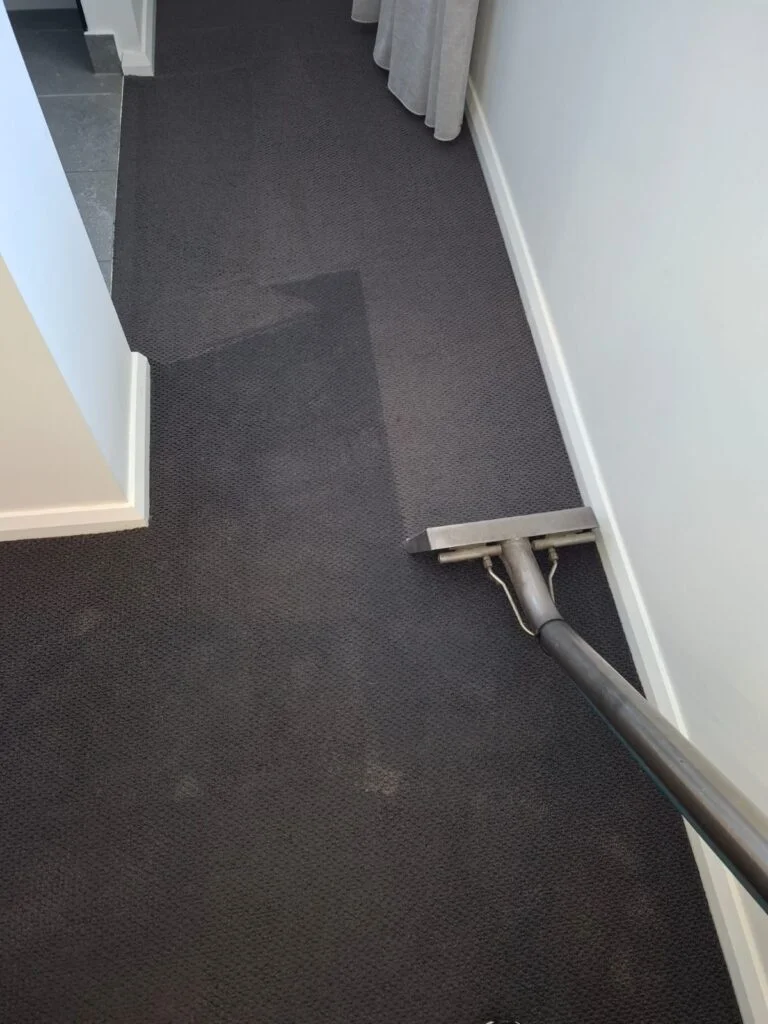
Water Damage Mitigation and Restoration – What It Really Means
Water damage restoration is not just about drying what you can see. It is about reducing the overall impact of water on the property and helping prevent further damage.
Water damage mitigation and restoration may include:
- Stopping or controlling the water source
- Removing standing water
- Extracting water from carpets and flooring
- Assessing contamination risk
- Drying affected materials
- Monitoring moisture levels
- Preventing mould and odours
- Protecting structural areas
- Cleaning and sanitising affected spaces
- Advising on repairs or replacement
Mitigation means acting quickly to reduce loss. Restoration means helping the property return to a safe, dry and usable condition.
At Flood Restoration Geelong, we bring both parts together. We respond quickly, assess carefully and use professional drying methods to support the best possible outcome.
Booking Your Emergency Water Restoration
When water threatens your home or business, you want a team that combines speed with surgical precision. At Flood Restoration Geelong, we bring 20 years of hands-on experience to every job, whether it’s a commercial warehouse in North Geelong or a family home in Waurn Ponds.
Our IICRC certification ensures we follow the global gold standard for water damage restoration Geelong, and our Australian roots mean we’re here to support our community with honest, hard work.
We are fully equipped for:
- Carpet water extraction and drying
- Wood and hard floor drying services in Geelong
- Sub-floor diagnostics and drying
- Mould remediation and air purification
- Complete water damage repairs
- Insurance claim assistance
Don’t let water damage rob you of your peace of mind. If you notice cupping floors, a musty smell, or obvious flooding, the time to act is now.
Contact the trusted leaders in Flood Services Geelong.
For immediate 24/7 assistance, call our emergency hotline at 0459 338 998. Alternatively, you can send us your details and photos via email at info@floodrestorationgeelong.com.au, or fill out the contact form on our website. We are here to restore your property to its pre-loss condition, faster than you thought possible.
Flood Restoration Geelong – Prompt, Professional, and Reliable Water Restoration Services.
Frequently Asked Questions
What is emergency water damage restoration?
Emergency water damage restoration is the process of responding quickly to water damage, removing excess water, drying affected materials, checking hidden moisture and helping restore the property safely. It may include water extraction, carpet drying, hard floor drying, sub-floor drying, mould prevention and restoration advice.
When should I call a professional for water damage in Geelong?
You should call a professional as soon as possible if water has affected carpets, hard floors, walls, ceilings, sub-floors, electrical areas or a large indoor space. You should also call if there is a musty smell, visible mould, contaminated water or moisture that keeps returning.
Do you provide 24/7 emergency water damage restoration in Geelong?
Yes. Flood Restoration Geelong provides 24/7 emergency water damage restoration across Geelong and surrounding areas. Call 0459 338 998 for urgent help.
Can wet carpet be dried and restored?
In many cases, wet carpet can be professionally extracted and dried, depending on the type of water, how long it has been wet and the condition of the carpet and underlay. We assess the carpet and advise on the best option.
Why is hard floor drying important?
Hard floor drying is important because water can become trapped underneath timber, laminate, hybrid, vinyl or tiled floors. If moisture remains hidden, it can cause warping, swelling, odours, mould and long-term damage.
Do you offer wood and hard floor drying services in Geelong?
Yes. We provide wood and hard floor drying services in Geelong for homes and businesses affected by leaks, floods, burst pipes and appliance overflows.
What is the vitality of dry sub-floor conditions?
A dry sub-floor is important because moisture underneath flooring can cause musty odours, mould growth, floor movement and structural issues. Keeping the sub-floor dry helps protect the long-term condition of the property.
What is water damage mitigation and restoration?
Water damage mitigation means acting quickly to reduce damage, such as extracting water and starting drying. Restoration means helping return the property to a dry, safe and usable condition through professional drying, cleaning and repair advice.
Can water damage cause mould?
Yes. Mould can grow when moisture remains in carpets, timber, walls, sub-floors or other building materials. Fast professional drying helps reduce mould risk.
How quickly should water damage be dried?
Water damage should be addressed as soon as possible. The faster water is extracted and drying begins, the better the chance of reducing mould risk, odours, flooring damage and structural moisture problems.
Do you help with commercial flood restoration in Geelong?
Yes. We assist commercial properties including offices, shops, warehouses, rental properties, strata buildings and other business premises across Geelong and surrounding areas.
How do I contact Flood Restoration Geelong?
You can call 0459 338 998, email info@floodrestorationgeelong.com.au or submit the website contact form. For emergencies, calling is the fastest option.
Related Blog's
24/7 Emergency Water Damage Restoration in Geelong
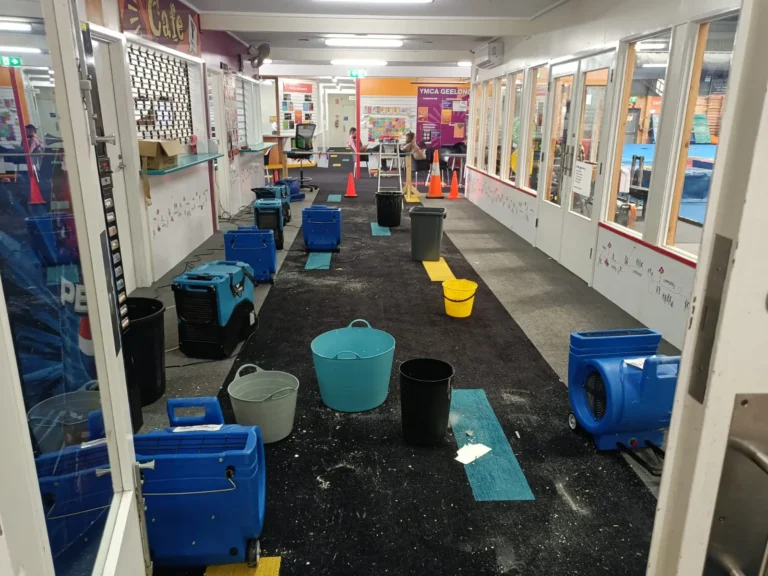
Emergency Carpet Drying in Geelong: Why Speed Matters
Burst Pipe Flooding in Geelong Homes: Immediate Actions That Save Thousands
Mould After Flooding? Expert Flood Restoration Geelong Advice You Must Know